


About Studying In Estonia
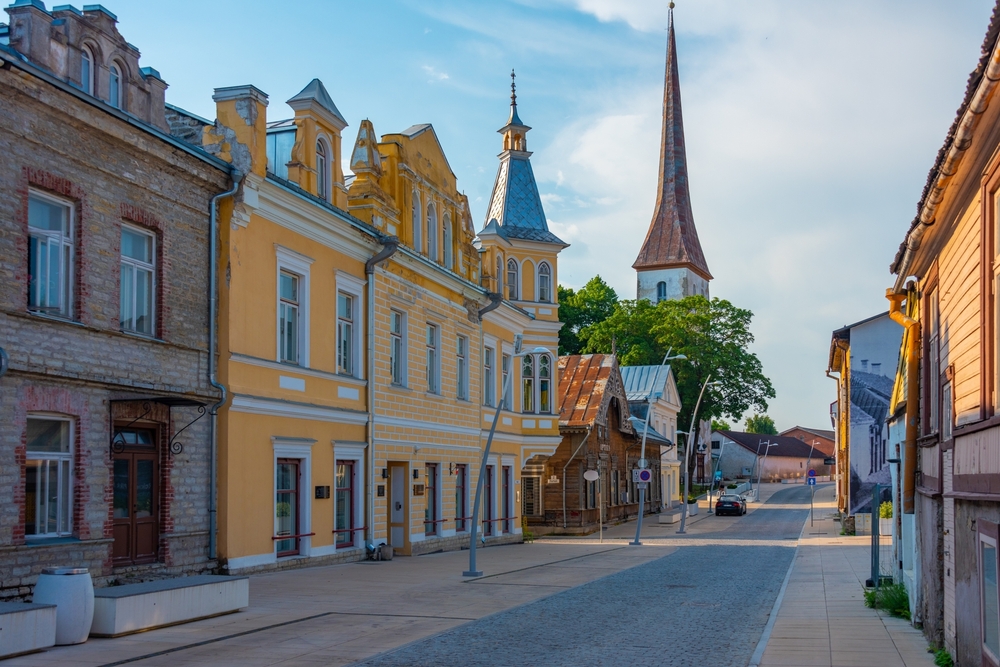
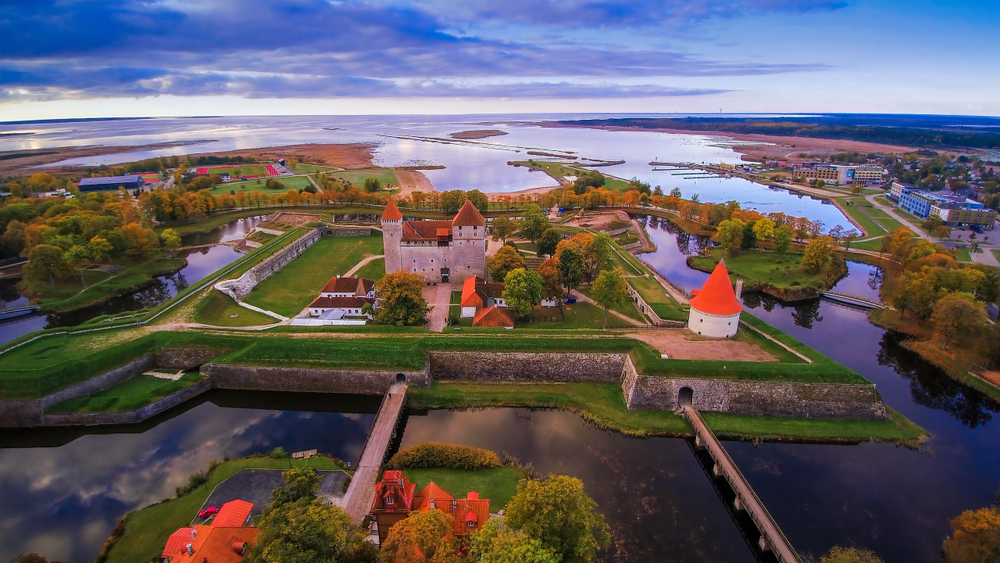
Estonia offers a modern and flexible education system designed around innovation and practical skills. Universities work closely with tech companies and startups, giving students real-world exposure during their studies.
Most international programs are taught in English, especially at the Master’s level. Estonia places strong emphasis on digital learning, research, and problem-solving, preparing students for careers in technology, business, and engineering.
With a safe environment and high quality of life, Estonia provides an excellent setting for focused academic growth.



How to Get Start with your application?
Download EERIV Edu Now to Apply
For a streamlined application process, download the EERIV Edu mobile application to get started with your application fast and easy!. Available on both Android and IOS devices.


Well-known destinations for EERIV applicants
Popular Universities in Estonia
University of Tartu
Tallinn University of Technology (TalTech)
Tallinn University
Estonian Academy of Arts
Why Study In Estonia
Estonia is an ideal destination for students who want an education shaped by innovation, technology, and real-world relevance. The country is globally recognized for its digital leadership, and this mindset is reflected in its universities, where learning is closely connected to modern industry needs.
Estonian universities place strong emphasis on technology, entrepreneurship, and problem-solving skills. Students benefit from project-based learning, close collaboration with startups, and access to cutting-edge digital infrastructure. This approach ensures graduates are well prepared for fast-evolving global careers.

Cost of Studying in Estonia
Estonia offers some of the most competitive tuition in Northern Europe, with several tuition-free program options and government or university scholarships available to high-performing applicants.
- Bachelor’s: €1,660–€7,500/year — medicine, law, business, and social sciences tend to be the most expensive fields
- Master’s: €1,660–€7,500/year — some programs are tuition-free, including select master’s degrees at TalTech and the Estonian Academy of Arts
- Doctoral: Free at most universities, and students typically receive a monthly stipend
Living costs stay moderate, especially outside central Tallinn, helped by affordable student housing, public transport, and digital services:
- Dormitory housing: €80–€400/month
- Private rental: €200–€550/month, plus €150–200 in utilities
- Food: approximately €300/month
- Local transport: free in Tallinn for registered residents; approximately €7–8/month elsewhere
- Total living costs (excluding tuition): €300–€600/month
Scholarships & Funding
The Estonian government funds scholarships for international students through Haridus- ja Noorteamet (HARNO). Individual universities layer on their own tuition waivers and merit-based scholarships for high-performing applicants.
- Government scholarships: Awarded through HARNO to eligible international students across a range of study levels
- University scholarships: Many institutions offer their own tuition waivers and merit awards
- Fully funded programs: Several master’s programs and all doctoral programs come with full funding, including a monthly stipend for doctoral candidates
Student Visa & Work Rights
“Visa” and “work rights” are two of the most-searched topics for students planning to study in Estonia — here’s what international applicants need to know.
- Visa: Non-EU/EEA citizens need a temporary residence permit for study, applied for at the nearest Estonian embassy after receiving an admission offer. The permit fee is approximately €64. EU/EEA citizens can study visa-free but must register their residence after arrival.
- Work while studying: Full-time students can work part-time without a separate work permit, as long as they maintain satisfactory academic progress.
- After graduation: Non-EU graduates can extend their residence permit for up to 9 months after graduation to search for a job in Estonia.
Benefits Of Studying in Estonia
Studying in Estonia gives students direct access to Europe’s most digital-first economy. Graduates leave with practical skills and a strong innovation mindset.
Degrees recognized across Europe and internationally
Strong employability in tech and digital industries
Startup-friendly ecosystem with global networking opportunities
Opportunity to work part-time during studies
Safe, clean, and student-focused cities

Frequently Asked Questions
Everything you need to know about tuition costs, visas, work rights, and applying to study in Estonia.
How much does it cost to study in Estonia as an international student?
Tuition at Estonian public universities typically ranges from €1,660 to €7,500 per year, depending on the program and field of study. Some master’s programs and all doctoral programs are tuition-free, and doctoral students often receive a monthly stipend. Private institutions charge higher fees.
What are the living costs for international students in Estonia?
Budget €400–€700 per month for accommodation, food, transport, and other living expenses, depending on the city. Tallinn and Tartu tend to be pricier than smaller towns. Many students reduce costs by sharing apartments or living in student dormitories, which are widely available and affordable.
Do I need a visa to study in Estonia?
Non-EU/EEA citizens need a temporary residence permit for study, applied for at the nearest Estonian embassy after receiving a university admission offer. EU/EEA citizens can study visa-free but must register their residence after arrival. The permit fee is approximately €64.
Can international students work while studying in Estonia?
Yes. Full-time international students do not need a separate work permit to take a part-time job while studying, provided they maintain satisfactory academic progress. Estonia's tech and hospitality sectors are especially open to English-speaking student workers.
Can I stay in Estonia after graduation to find a job?
Non-EU graduates can extend their residence permit for up to 9 months after graduation specifically to search for employment in Estonia, giving them time to move from study to a skilled-work visa.
Are there scholarships available for international students in Estonia?
Yes. The Estonian government offers scholarships through Haridus- ja Noorteamet (HARNO), and many universities provide their own tuition waivers and merit-based scholarships for high-performing applicants. Some master's and doctoral programs are fully funded.
Do I need to speak Estonian to study in Estonia?
No. Most international bachelor's and master's programs are taught entirely in English, and Estonian is not required for admission. Basic Estonian is still recommended for daily life, part-time work, and long-term integration.
What English test scores do I need to study in Estonia?
Most universities require IELTS, TOEFL, or an equivalent English proficiency certificate unless you are from an English-speaking country or completed prior education in English. Exact score thresholds vary by university and program.
What are the best universities in Estonia for international students?
Estonia's leading destinations for international students include the University of Tartu, Tallinn University of Technology (TalTech), Tallinn University, and the Estonian Academy of Arts — all known for English-taught programs and strong industry links.
When should I apply to study in Estonia?
Most Estonian universities admit students primarily in the autumn intake, with application deadlines typically falling around March–April for non-EU/EEA applicants. A few programs offer spring admission, so confirm deadlines directly with your chosen university.

