


About Study in Croatia
Studying in Croatia provides you with a unique blend of high-quality education and a rich cultural experience. Croatia is home to a range of public and private universities offering both undergraduate and graduate programs across various fields, including business, engineering, social sciences, arts, and medicine. The Croatian education system places a strong emphasis on international collaboration, making it an ideal destination for students from all around the world.
The universities in Croatia follow European standards, and many offer programs in English, which makes studying here even more accessible. Croatia’s academic environment is dynamic, fostering a culture of critical thinking, innovation, and research. Students have access to state-of-the-art facilities and modern campus environments, designed to enhance their academic experience.
How to Get Started With Your Application?
Download EERIV Edu Now to Apply
For a streamlined application process, download the EERIV Edu mobile application to get started with your application fast and easy!. Available on both Android and IOS devices.


Partner Universities

Why Study in Croatia
There are plenty of great reasons why Croatia should be on your radar when it comes to studying abroad. First, Croatia offers high-quality education at a fraction of the cost you’d pay in many other European countries. Universities in Croatia follow the Bologna Process, ensuring that the degrees they offer are recognized across Europe and globally. So, your Croatian degree will carry weight wherever you go!
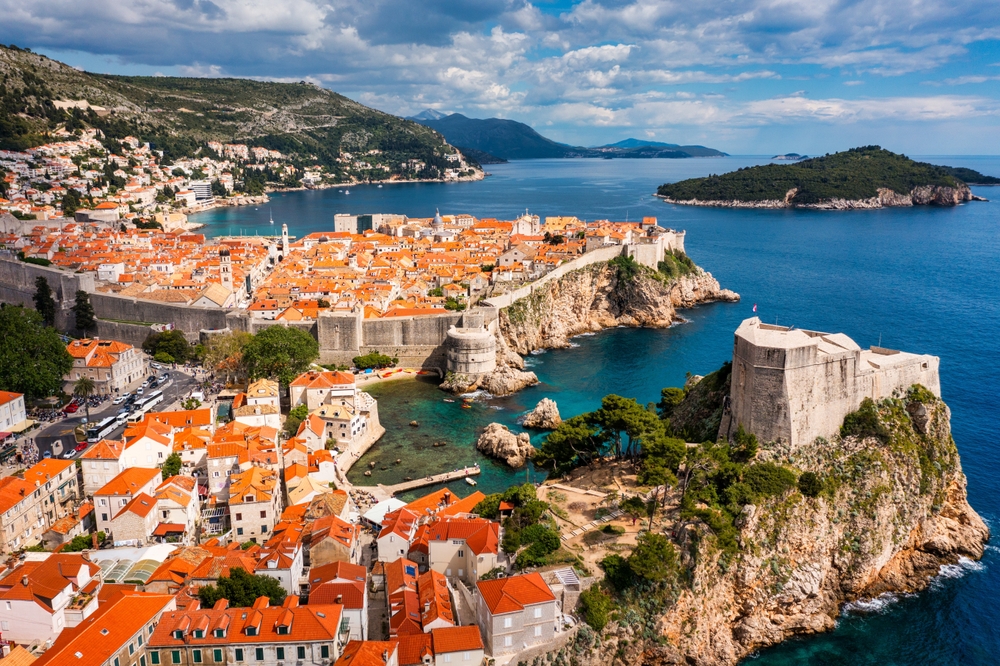
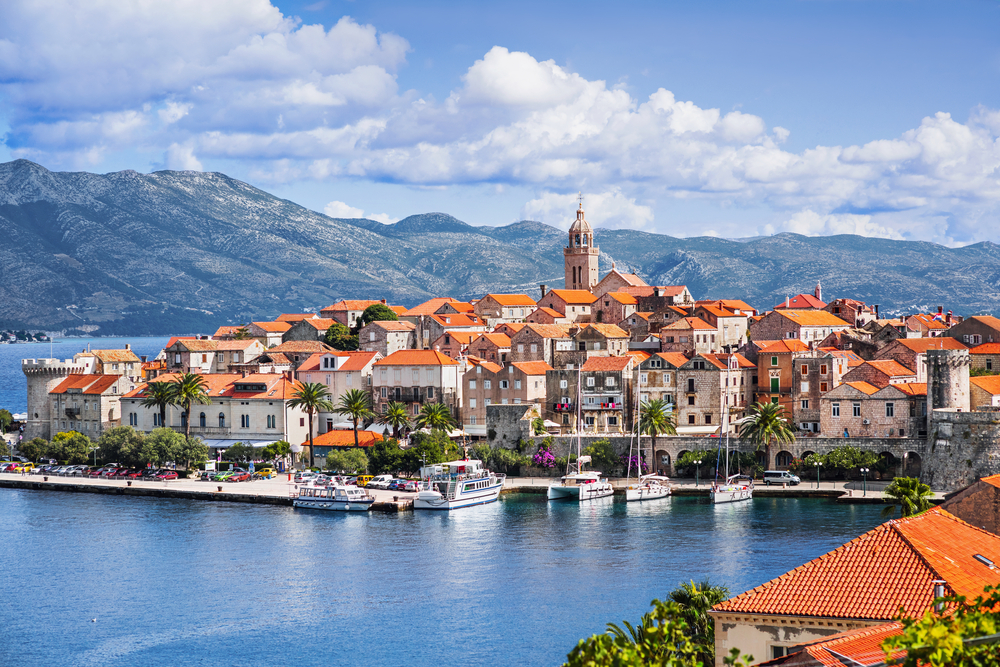
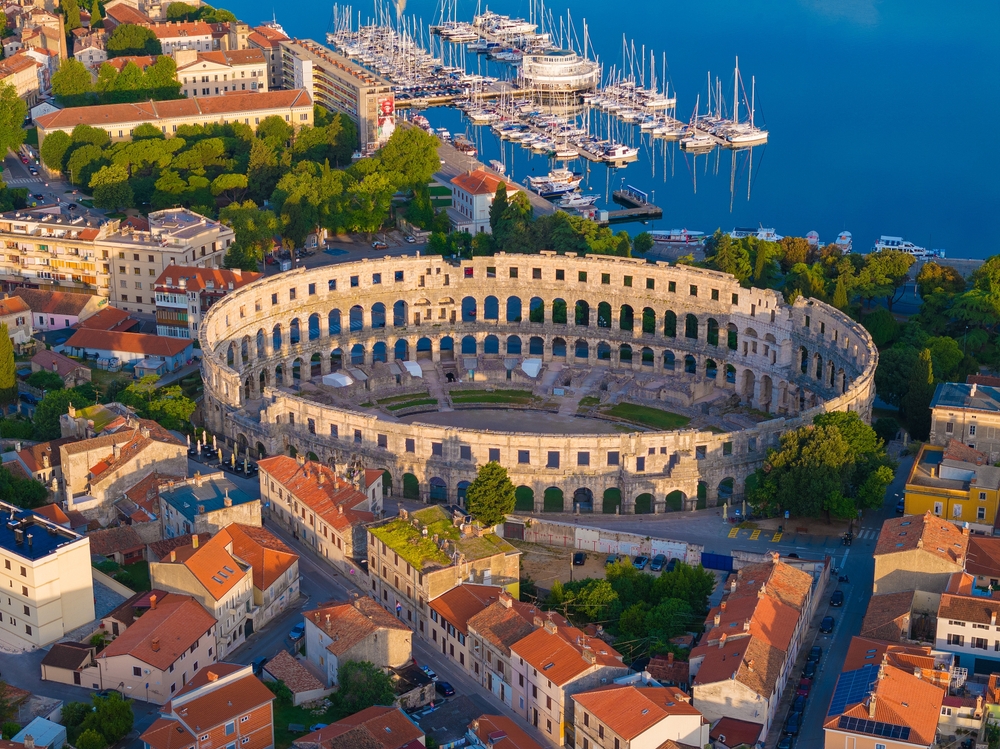
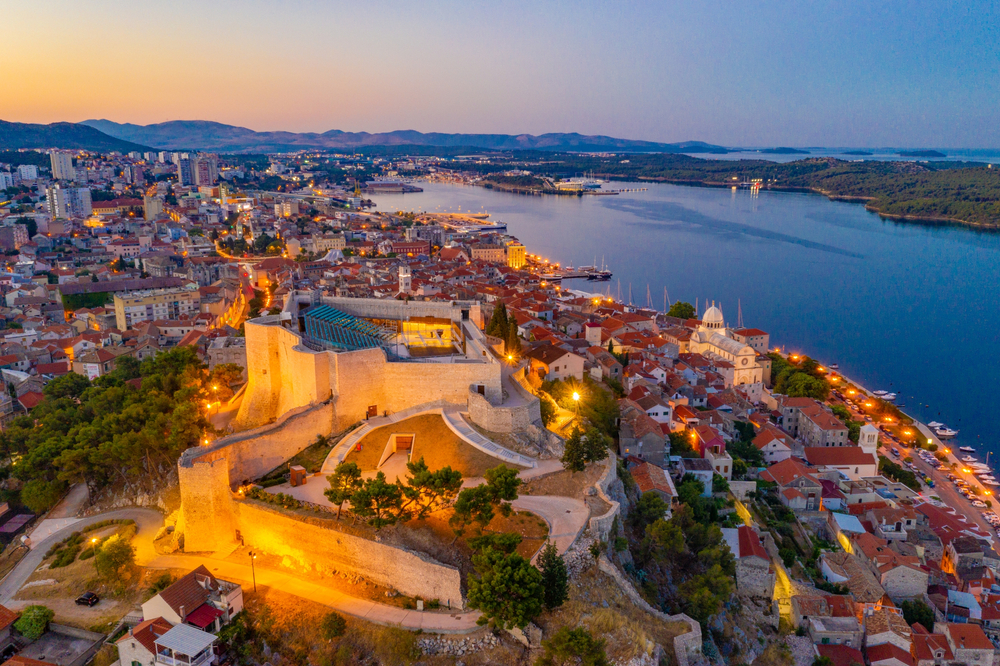
Another key reason to study in Croatia is its beautiful, diverse landscapes. Whether you’re a nature lover or a history enthusiast, Croatia has something to offer. With its stunning beaches, charming medieval towns, and scenic national parks, you’ll always have something exciting to explore during your breaks from studies.

Cost of Studying in Croatia
Studying in Croatia is not only academically rewarding but also affordable, making it an attractive destination for international students. The cost of tuition in Croatia is significantly lower than in many other European countries. For undergraduate programs, tuition fees range from €1,500 to €7,000 per year, depending on the university and the program you choose. Master’s programs tend to be slightly more expensive, typically ranging from €2,000 to €10,000 per year.
One of the greatest advantages of studying in Croatia is the low cost of living. Compared to other European destinations, you’ll find that your daily expenses in Croatia are quite reasonable. On average, students spend around €500 to €700 per month on rent, food, transportation, and leisure activities. Accommodation in Croatia can be found at affordable rates, with options ranging from student dormitories to private apartments. Most cities, including the capital, Zagreb, offer student-friendly accommodation that’s both comfortable and cost-effective.
| Expense | Typical Cost |
|---|---|
| Undergraduate tuition | €1,500–€7,000 / year |
| Master’s tuition | €2,000–€10,000 / year |
| Monthly living costs (rent, food, transport, leisure) | €500–€700 / month |
Costs vary by university, program, and city — Zagreb and coastal cities tend to sit at the higher end of the living-cost range.
Scholarships & Funding
Studying abroad doesn’t have to mean paying full price. A number of funding routes can bring down the real cost of a Croatian degree, and it’s worth checking eligibility for more than one at the same time.
Croatian government scholarships. The Ministry of Science and Education offers scholarships to international students each year, often tied to bilateral agreements between Croatia and specific partner countries. Eligibility and amounts vary by nationality and study level.
Erasmus+ mobility grants. Students already enrolled at a partner institution abroad can apply for Erasmus+ funding to spend a semester or year studying in Croatia, covering part of their living costs and travel.
University-specific scholarships and tuition waivers. Many Croatian universities, including private institutions like Algebra University, offer merit-based tuition discounts or waivers for strong applicants — these are typically applied for directly through the university alongside your admission application.
Bilateral and regional agreements. Croatia maintains education cooperation agreements with a number of countries that can include reduced fees or dedicated scholarship quotas for their citizens.
Scholarship availability changes from year to year and by nationality, so the most reliable approach is to check current offers before you apply. Get in touch with EERIV Europe and we’ll match you to the funding options you actually qualify for.
Student Visa Requirements
Because Croatia is an EU member state, the visa process depends on where you’re coming from. EU/EEA citizens can study in Croatia with just a valid ID or passport and a temporary residence registration after arrival — no visa required.
Non-EU/EEA students generally need to apply for a long-stay (type D) visa or a temporary residence permit for the purpose of study before traveling, through the Croatian embassy or consulate in their home country. Typical requirements include:
- A valid passport (usually with at least 15 months’ remaining validity)
- Your official letter of acceptance from a Croatian university
- Proof of sufficient funds to cover tuition and living costs
- Proof of health insurance valid in Croatia
- Proof of accommodation for your stay
- A clean criminal record certificate, where required
Processing times vary by country and season, so it’s worth applying well ahead of your program’s start date — most students start the process 2–3 months before departure.
Croatia has been a full Schengen Area member since January 2023. Once your Croatian residence permit is issued, it also supports short visa-free trips to other Schengen countries during your studies, on top of everyday access to Croatia itself.
Visa rules can change and vary by nationality, so treat this as a starting point rather than a final checklist. EERIV Europe can walk you through the exact document list for your country and help you avoid the most common application delays.
Benefits of Study in Croatia
Studying in Croatia comes with numerous benefits that make it an ideal choice for students. One of the major perks is the high standard of education. Croatian universities are recognized for their quality academic programs, which are aligned with European standards. With a degree from Croatia, you can work and study anywhere in Europe, thanks to the country’s adherence to the Bologna Process.
Croatia offers high-quality education at a fraction of the cost compared to other European countries, making it a budget-friendly choice.
Study in a country with a blend of Mediterranean and Central European cultures, offering a unique and enriching experience.
From the Adriatic coastline to breathtaking national parks, Croatia provides a serene environment to balance academics with exploration.
Croatia is known for its safety and hospitality, making it an ideal destination for international students to live and study.
Croatian universities offer programs in fields like tourism, engineering, medicine, and arts, catering to a wide array of interests.

Frequently Asked Questions
1. Is Croatia a good country to study in as an international student?
Yes. Croatia offers EU-recognized degrees under the Bologna Process, tuition well below Western European averages (roughly €1,500–€10,000 a year), a low cost of living, and a safe, Mediterranean setting with a growing number of English-taught programs.
2. How much does it cost to study in Croatia?
Undergraduate tuition typically ranges from €1,500 to €7,000 per year, and master’s programs from €2,000 to €10,000 per year, depending on the university and field of study. Public universities are generally less expensive than private institutions.
3. What is the cost of living for students in Croatia?
Most international students spend around €500–€700 a month on rent, food, transport, and leisure. Student dormitories are the cheapest option; private apartments cost more but are still affordable compared with most Western European cities.
4. Are there English-taught degree programs in Croatia?
Yes. A growing number of Croatian universities — including EERIV partner institutions like Algebra University — offer full bachelor’s and master’s programs taught entirely in English across business, engineering, IT and other fields, so fluency in Croatian is not required to enroll.
5. Do I need a visa to study in Croatia?
Students from outside the EU/EEA generally need a long-stay (D) visa or a temporary residence permit for study purposes, applied for through a Croatian embassy or consulate before arrival. Croatia has been a full Schengen Area member since January 2023, so a valid Croatian residence permit also supports travel within the wider Schengen area during your studies. Requirements vary by nationality, so confirm current rules with EERIV Europe or your nearest Croatian embassy before applying.
6. Are Croatian university degrees recognized internationally?
Yes. Croatian universities follow the Bologna Process, the same three-cycle degree framework used across the European Higher Education Area, so bachelor’s and master’s degrees earned in Croatia are recognized throughout Europe and widely accepted internationally for further study or employment.
7. Can international students work while studying in Croatia?
EU/EEA students can work without additional permits. Non-EU students typically need separate authorization to work part-time, and rules can change, so it’s worth confirming current work-permit requirements with your university’s international office or with EERIV Europe before making plans around part-time income.
8. Are scholarships available for international students in Croatia?
Yes. Options include Croatian government scholarships, Erasmus+ mobility grants, bilateral agreements between Croatia and partner countries, and university-specific scholarships or tuition waivers for strong applicants. Availability depends on nationality and program — EERIV Europe can help match you to current offers.
9. What documents do I need to apply to a Croatian university?
Most applications require a completed application form, certified transcripts from your previous school or degree, proof of English (or Croatian) language proficiency, a valid passport copy, and a motivation letter; some programs also ask for standardized test scores. Exact requirements vary by university, so check the specific program page or ask EERIV Europe for a checklist.
10. How long does it take to get a degree in Croatia, and which universities accept international students?
Bachelor’s degrees typically take 3–4 years and master’s programs 1–2 years, following the standard Bologna three-cycle structure. Both public universities (such as the University of Zagreb) and private institutions like Algebra University — an EERIV Europe partner offering 9 bachelor’s and 8 master’s programs — accept qualified international applicants.

